Health and Wellness Franchises: A Category Guide for Prospective Owners
Health and wellness franchises cover businesses that help customers look, move and feel better: massage and stretching studios, medical spas, weight-management clinics, waxing and salon concepts, and wellness retail. The category is broad, and the day-to-day work varies a lot from one concept to the next.
This guide explains the main models, what drives startup cost, the licensing and regulatory questions that are unique to this category, and the FDD items to review. Below the guide you’ll find the health and wellness brands the Franchise Transparency Project network has evaluated.
What counts as a health and wellness franchise?
- Service studios: massage, assisted stretching, waxing and similar services delivered by trained practitioners.
- Medical and clinical concepts: medical spas and supervised weight-management programs that involve licensed medical professionals.
- Space and real-estate models: salon suites, where the franchisee leases private rooms to independent beauty and wellness professionals.
- Wellness retail: stores focused on wellness products, often combined with education or services.
Common business models
Membership studios
Many studio concepts sell monthly memberships. The model depends on how many members join and how long they stay, so ask about cancellation trends, not just sign-ups.
Clinical services
Medical spas and weight-management clinics typically need a licensed medical director or providers. Rules about who can own the business, who can perform each service and how it must be supervised vary by state.
Suite leasing
In salon suite concepts, the owner’s customers are the professionals who rent the suites. The work looks more like property management than service delivery.
Retail
Retail concepts depend on location, foot traffic and inventory management. Product regulations can also change, so ask how the franchisor stays compliant.
What drives startup cost
Item 7 of each brand’s FDD lists its estimated initial investment. In this category, the biggest drivers are usually:
- Real estate and build-out: most concepts need a retail or medical space, and construction costs vary by market.
- Equipment: treatment tables, devices and lasers, or retail fixtures.
- Pre-opening marketing and presales: many studio brands sell memberships before opening.
- Staffing and training: recruiting licensed practitioners before opening.
- Working capital: the cushion needed while the membership or client base grows.
Talk it through with a franchise consultant
Match franchise models to your budget, location and lifestyle. No cost, no obligation.
Regulation is part of the job
More than most categories, health and wellness businesses operate under rules set by state boards and agencies. Massage therapists, estheticians and medical providers are licensed at the state level, and medical services may have rules about who can own the business and who must supervise treatments. Product-based concepts may also face changing rules about what can be sold and how it is labeled. Before you commit, ask the franchisor how it tracks these rules in each state and what it expects of owners, and have a local attorney confirm what applies in your state.
Who the category suits
- People who enjoy customer experience, hospitality and building a community.
- Owners who can recruit and keep licensed staff such as therapists, estheticians, nurses and providers.
- Buyers comfortable with a retail lease and a build-out.
- For clinical concepts, people prepared to work within medical and state regulations.
A personal interest in health is common among owners, but the job is mostly management: staffing, sales, scheduling and the customer experience.
Questions to ask before you buy
- Which services need a licensed professional in my state, and who must supervise them?
- Are there rules in my state about who can own a medical business?
- How hard is it to hire licensed staff in my market, and what do owners pay them?
- What share of revenue comes from memberships versus one-time services or retail?
- How does the franchisor handle changes in product or service regulations?
- What did current owners’ first year look like? Ask them directly.
FDD items to check
- Item 1: the franchisor’s description of the business, including any industry-specific laws.
- Item 5, 6 and 7: fees and the full estimated initial investment.
- Item 8: required suppliers, equipment and products.
- Item 11: site selection, training and opening support.
- Item 12: territory protection.
- Item 19: whether a financial performance representation is provided, and what it covers.
- Item 20: openings, transfers and closures over the last three years.
A typical path from first inquiry to opening
- Self-assessment: decide how involved you want to be, how much capital you can commit, and what kind of work you enjoy managing.
- Shortlist: narrow the category to a few brands whose model fits your goals and market.
- Disclosure review: request each brand’s FDD. Federal rules require you to receive it at least 14 calendar days before you sign or pay anything.
- Validation: call current and former owners listed in Item 20 and ask about their experience, support and early months.
- Professional review: have a franchise attorney review the agreement and an accountant review your financing plan.
- Discovery day and decision: meet the franchisor’s team, confirm your territory, and decide.
For a structured way to compare brands, see the Franchise Transparency Project evaluation method.
Health and wellness brands we have evaluated
Each tile opens a full independent evaluation. Most are hosted on FranchiseExpert.com, the franchise consulting site affiliated with the Franchise Transparency Project. A listing is not an endorsement; review each brand’s FDD and speak with current owners.
 dermani MEDSPAMedical spa offering aesthetic and skin treatments.Read the evaluation →
 Heights Wellness RetreatMassage and wellness retreats (formerly Massage Heights).Read the evaluation →
 Medi-WeightlossClinically supervised weight-management clinics.Read the evaluation →
 Native CeuticalsRetail wellness stores focused on non-toxic cannabinoid products.Read the evaluation →
 Stretch ZonePractitioner-assisted stretching studios.Read the evaluation →
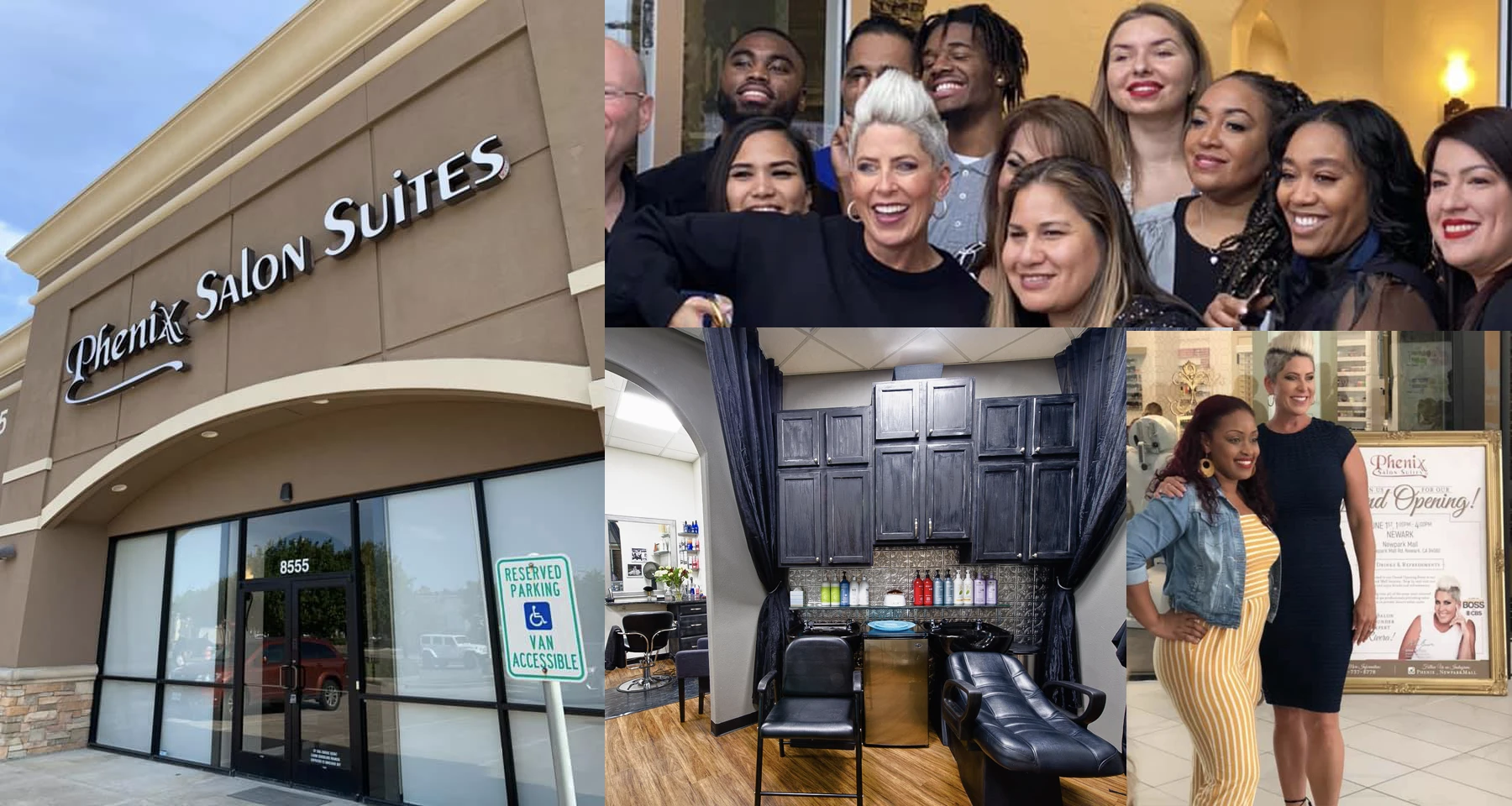 Phenix Salon SuitesPrivate salon suites leased to independent beauty professionals.Read the evaluation →
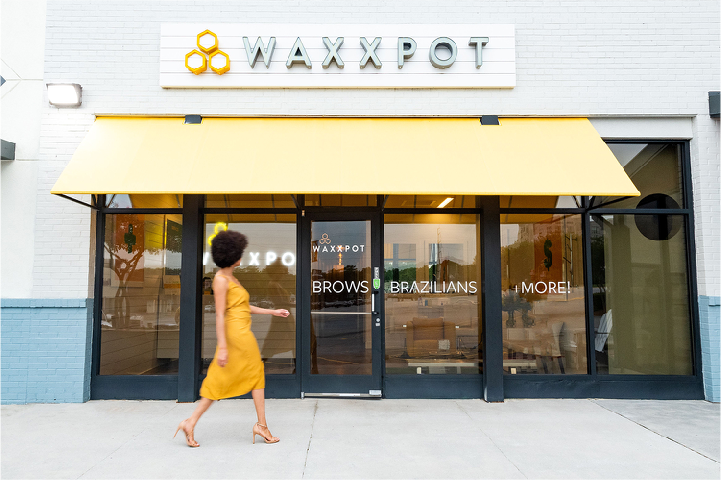 WaxxpotBody waxing studios.Read the evaluation →The NOWThe NOWMassage boutiques built around short, focused sessions.Read the evaluation →Thinking about buying an existing business?A resale can come with customers, staff and a track record. Learn how franchise resales work and what to check before you make an offer.Learn about franchise resales →
Talk with a franchise consultant about health and wellness brands
A consultant can walk you through health and wellness brands that are available in your area, explain how they compare, and help you read their disclosure documents. There is no cost to you.
Explore health and wellness franchises with a consultant →
Prefer to start with general questions? Book a free franchise consultation.
Frequently asked questions
Do I need a medical or wellness background?
For most studio and retail concepts, no; owners usually manage the business while licensed staff deliver services. Clinical concepts such as medical spas may have state rules about ownership and supervision, so check with an attorney in your state.
Are memberships important in this category?
For many studio brands, yes. Ask each franchisor how membership numbers and cancellations have trended at existing locations, and confirm what current owners report.
How important is location?
Very. Most health and wellness concepts depend on visibility, parking and nearby demographics. Ask how the franchisor helps with site selection, described in Item 11 of the FDD.
How do I compare two health and wellness brands?
Use the same FDD items for each brand, especially Items 7, 19 and 20, and call several current and former owners. Our evaluations above are a starting point.
Can I buy an existing studio or clinic?
Yes. A resale comes with clients and staff, but you will need to look carefully at valuation, lease terms and transfer fees. Talk with a consultant before making an offer.
Franchising: Decoded & Demystified
- How to read an FDD, and which items matter most
- How we evaluate a franchise, factor by factor
- Questions to ask franchisors and current owners